Weather and packing
Sofia Weather and What It Means for Planning
Climate averages, what to pack, and how weather actually changes sightseeing, Vitosha and day-trip plans.
Sofia’s weather is rarely dramatic, but it still changes what a good day looks like: what you pack, how far you push an outdoor plan, and whether a mountain day trip is realistic. Use the averages below to plan sensibly, then check a current forecast close to your trip.
Sofia's Climate in Plain Terms
Official Sofia tourism describes the climate as temperate continental, protected from strong winds by the mountains that surround the city, with a rainfall balance it calls normal, one that supports outdoor activity throughout the year.
The same source publishes three average temperatures: about 10.5°C (50.9°F) across the year, about 23°C (73.4°F) in summer, and about 0°C (32°F) in winter. These are averages, not a forecast for any specific date. For how the seasons compare as a place to spend your trip, see When to Visit Sofia.
Official details: Climate · About Bulgaria.
What to Pack, and When
Climate normals put June as Sofia’s wettest month, at roughly 81.6mm, with May close behind at roughly 73.1mm, against an annual total of about 625.7mm. If your trip falls in late spring or early summer, a compact rain layer earns its space in the bag more than at other times of year.
Winter runs the other way: January averages the most snow, at roughly 24.9cm, with February and December close behind at roughly 21cm each, adding up to about 98cm of snow across roughly 56 days with snow cover in an average year. A December through February trip is where proper winter footwear with real traction, not just a warm coat, actually earns its place.
These are climate normals, not a promise for your travel dates. For the full winter-specific picture, including daylight and footing in more depth, see Sofia in Winter.
Daylight and How It Changes Your Day
Sofia’s day length swings from roughly 15 hours 20 to 22 minutes around the June solstice to roughly 9 hours around the December solstice, a stable astronomical fact rather than something that varies year to year.
That difference changes how you should sequence a day, not just how warmly you should dress. A summer evening leaves room to add one more stop or linger over dinner outdoors; a winter afternoon can end sightseeing earlier than you expect. Build shorter, more deliberate days into your plan in December and January, and use the extra daylight in June for a looser schedule. Sofia Itineraries can help you sequence a day around whichever daylight window you're travelling in.
Underfoot Conditions Away From the Centre
Is Sofia Walkable? already establishes that central streets are generally well maintained and easy underfoot, while pavements in outer districts can be uneven. Wet or icy conditions plausibly sharpen that existing gap between the centre and the outer districts, even without a dedicated source measuring it directly. Choose sturdier footwear than you might for a dry city break if you're heading beyond the centre in rain or snow.
When to Switch to an Indoor Plan
There is no single rule for exactly when rain or cold should end an outdoor plan, but the practical trigger is simple: if the weather would make you cut a walk or a viewpoint short anyway, swap it for an indoor option rather than pushing through it. Sofia Museums is the place to pick a specific museum by interest and time; Things to Do in Sofia is the broader activity hub if you want other indoor formats. Neither list is repeated here.
Weather, Vitosha, and Day Trips
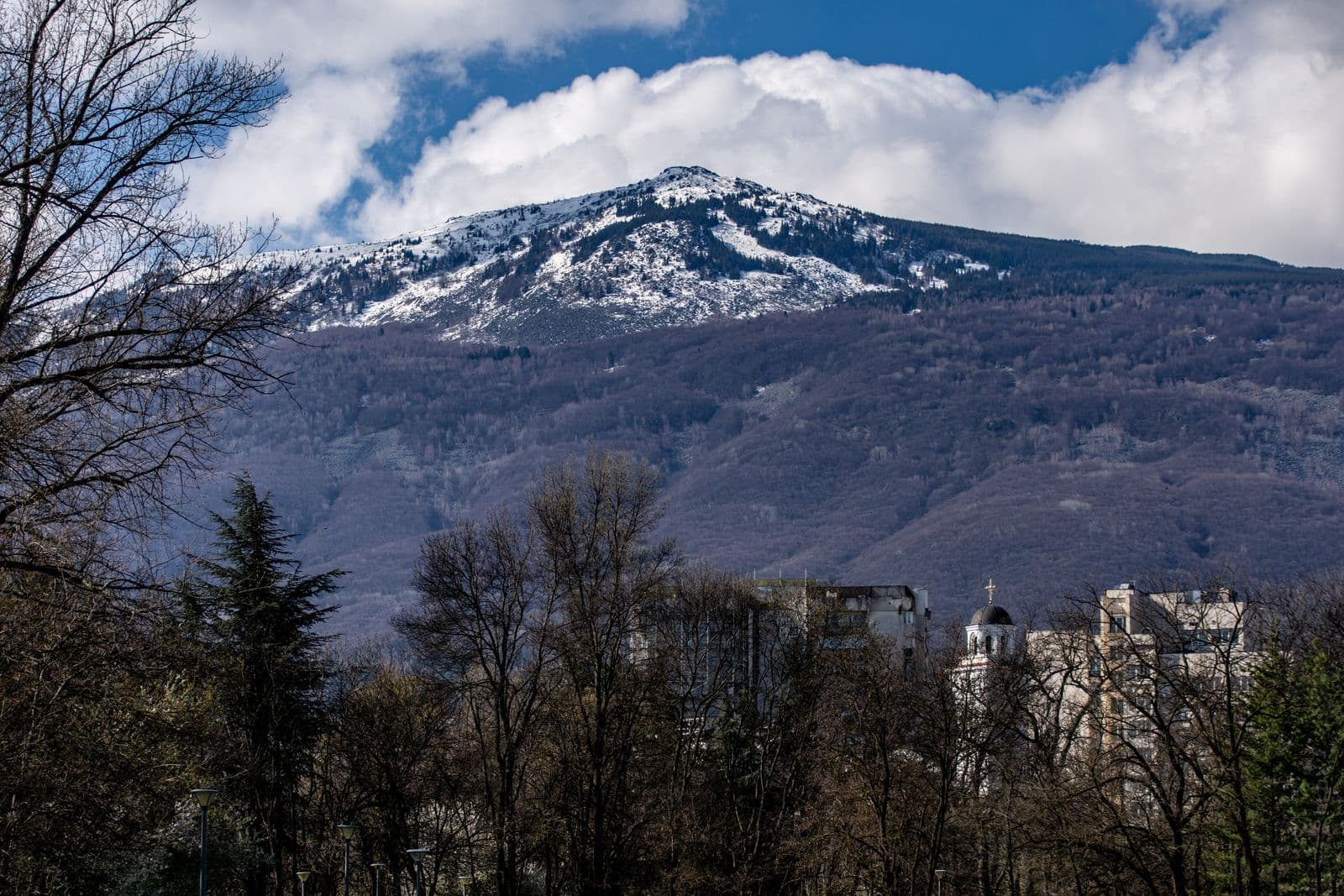
Vitosha and Sofia's mountain day trips are the clearest place where weather actually changes a decision, but weather is only one of two things to check. Vitosha Mountain already establishes that the mountain's main valley-access lifts, the Simeonovo gondola and Dragalevtsi chairlift, are closed indefinitely for reasons unrelated to weather, with Aleko's own local ski lifts a separate system whose current status isn't confirmed there with high confidence. Clear weather alone will not restore lift access, so check both before you plan around them.
For a day trip further out, Sofia in Summer and the Seven Rila Lakes from Sofia guide already establish June through September as the reliable low-snow window for that chairlift and route, the clearest concrete example on this site of a season changing a specific day-trip decision. Outside that window, treat a high-altitude day trip as needing extra current-condition checks rather than assuming the same access. For the full destination comparison, see Sofia Day Trips; for near-city trail options at lower altitude, see Hiking Near Sofia.
For a Specific Season, Go Deeper
This page covers what weather generally means for planning. If you already know you're travelling in winter or summer, the season-specific guides go further: Sofia in Winter covers skiing, daylight, and footing in full, and Sofia in Summer covers the Rila Lakes window, booking stakes, and evening viability in full.
Before You Travel
Every figure above is a climate normal or average, not a forecast. Hello Sofia has not personally tested these conditions. Check a current weather forecast close to your travel dates, especially if a mountain day trip or an outdoor-heavy day depends on it.
Official details: Climate · About Bulgaria.